

About Abies Lascia
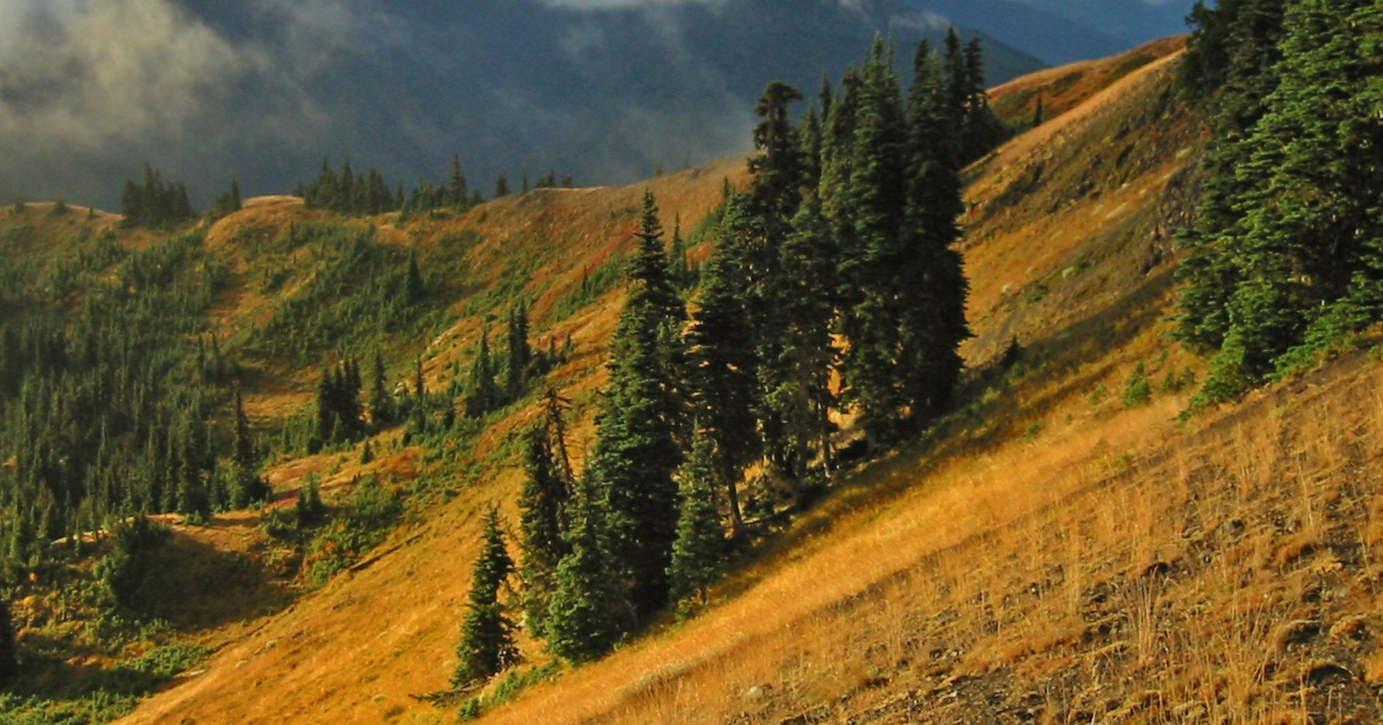
The species is native to the mountains of Yukon, British Columbia and western Alberta in Western Canada; and to Southeast Alaska, Washington, Oregon, Idaho, Western Montana, Wyoming, Utah, Colorado, New Mexico, Arizona, northeastern Nevada, and the Trinity Alps of the Klamath Mountains in northwestern California in the Western United States.[4]
It occurs at high altitudes, commonly found at and immediately below the tree line. It can be found at elevations of 300–900 m (980–2,950 ft) in the north of the range (rarely down to sea level in the far north), to 2,400–3,650 m (7,870–11,980 ft) in the south of the range. West of the Cascade ridge, it can be found at elevations of 1,200–2,000 m (3,900–6,600 ft), while further east (particularly in Western Montana) it can be found from 1,500 to 2,700 m (4,900 to 8,900 ft).[4]
Themes & SDGs Supported



Mission and Vision
Annual precipitation ranges from 380 cm (150 in) in coastal mountain sites to only 65 cm (26 in) inland.[4] Snow gathered on the branches helps protect them from wind and heat.[4] Firs in general act as a snow fence, leading to the creation of meadows through extra moisture accumulation.[4] The tree is highly shade tolerant, but very vulnerable to fire, short-lived, and slow-growing.[4] Despite having weaker wood than some of its timberline associates, it can survive by its ability to adapt (growing in a krummholz form) and reproduce via layering in clusters at high elevations.[4] At timberline, a single tree can leave behind a ring of trees (an 'atoll') via layering.[4] The species has benefited from wildfire suppression in more recent years.[4] Various animals, including mountain goats, take shelter in subalpine fir clusters and krummholz.[4] The bark is browsed by game animals and its leaves are eaten by grouse. Songbirds, Richardson's grouse, Cascade pine squirrels, and other mam
Investment Terms
To view Terms/Materials, you must have a CataCap account and be logged in. Access to full materials is available to Donor/Investors with an active CataCap balance.
If you do not have an active balance, you may contact the company or fund directly using the “Questions about this investment?” link, or email [email protected] for assistance.
Investment Materials
To view Materials/Terms, you must have a CataCap account and be logged in. Access to full materials is available to Donor/Investors with an active CataCap balance.
If you do not have an active balance, you may contact the company or fund directly using the “Questions about this investment?” link, or email [email protected] for assistance.